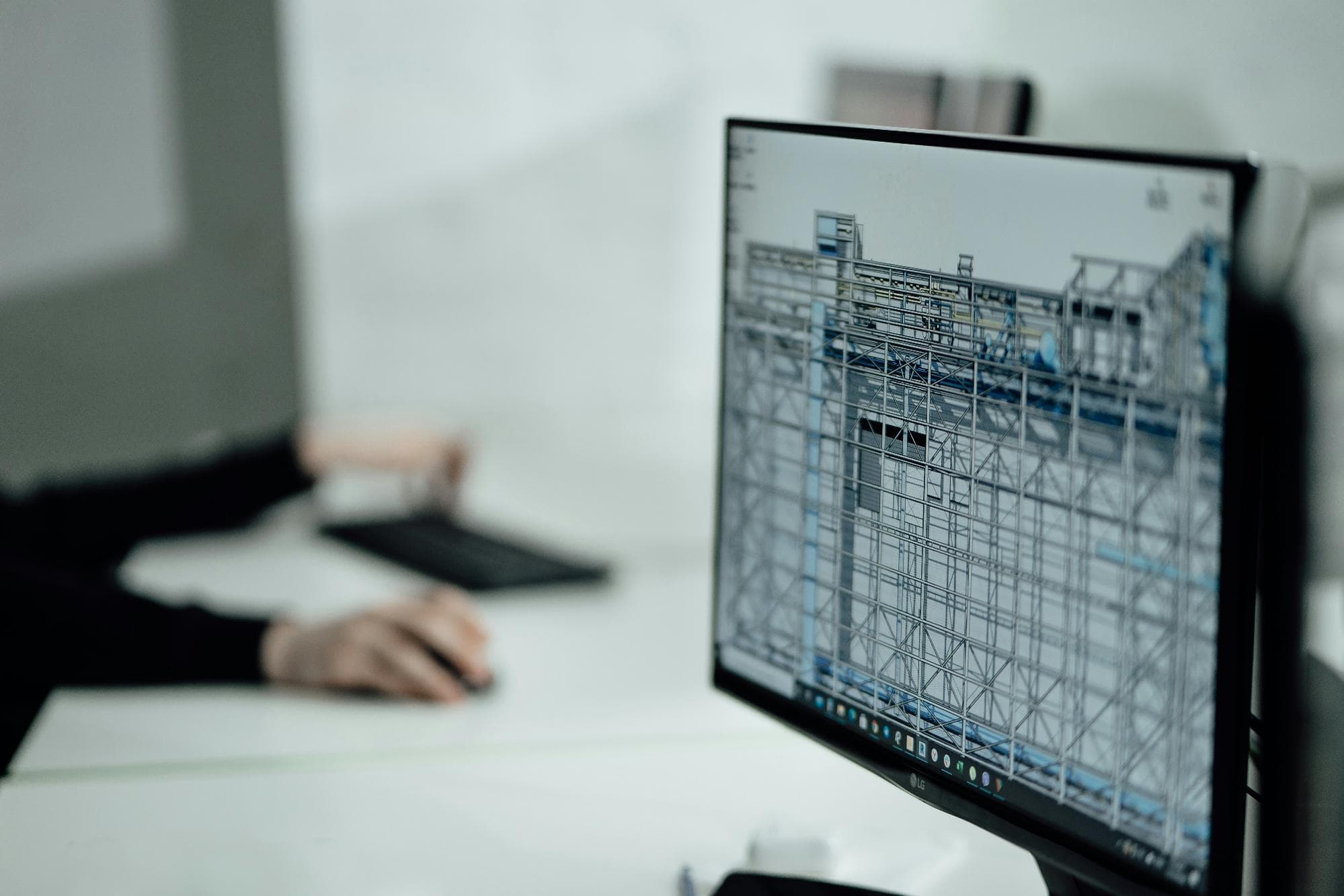
Understanding VDC: Key Concepts in Construction
Virtual Design and Construction (VDC) is transforming the construction industry. It combines digital tools with traditional building methods. This integration enhances project planning and execution.
VDC stands for Virtual Design and Construction. It uses digital models to manage construction projects. This approach improves efficiency and reduces errors.
The synergy between VDC and Building Information Modeling (BIM) is crucial. Together, they enhance visualization and collaboration. This leads to better project outcomes.
Understanding VDC is essential for modern construction professionals. It offers a competitive edge in a rapidly evolving industry. VDC is not just a trend; it's the future of construction.
In this article, we explore VDC's key concepts and benefits. Discover how it integrates with BIM and its impact on construction projects.
What Does VDC Stand For in Construction?
VDC stands for Virtual Design and Construction. It's a method that leverages digital technology to enhance construction projects. This approach transforms traditional processes, making them more efficient.
The core of VDC is its reliance on digital models. These models aid in planning, designing, and managing projects. The aim is to streamline efforts and improve communication.
Stakeholders in construction find VDC invaluable. It helps reduce costs and minimizes project delays. VDC's adoption is growing as more businesses recognize its benefits.
Key components of VDC include:
- Detailed 3D models for enhanced visualization
- Integration with Building Information Modeling (BIM)
- Tools for real-time collaboration and updates
These elements work together to optimize construction workflows. By simulating the construction environment, VDC uncovers potential issues early. This proactive approach leads to successful project delivery.
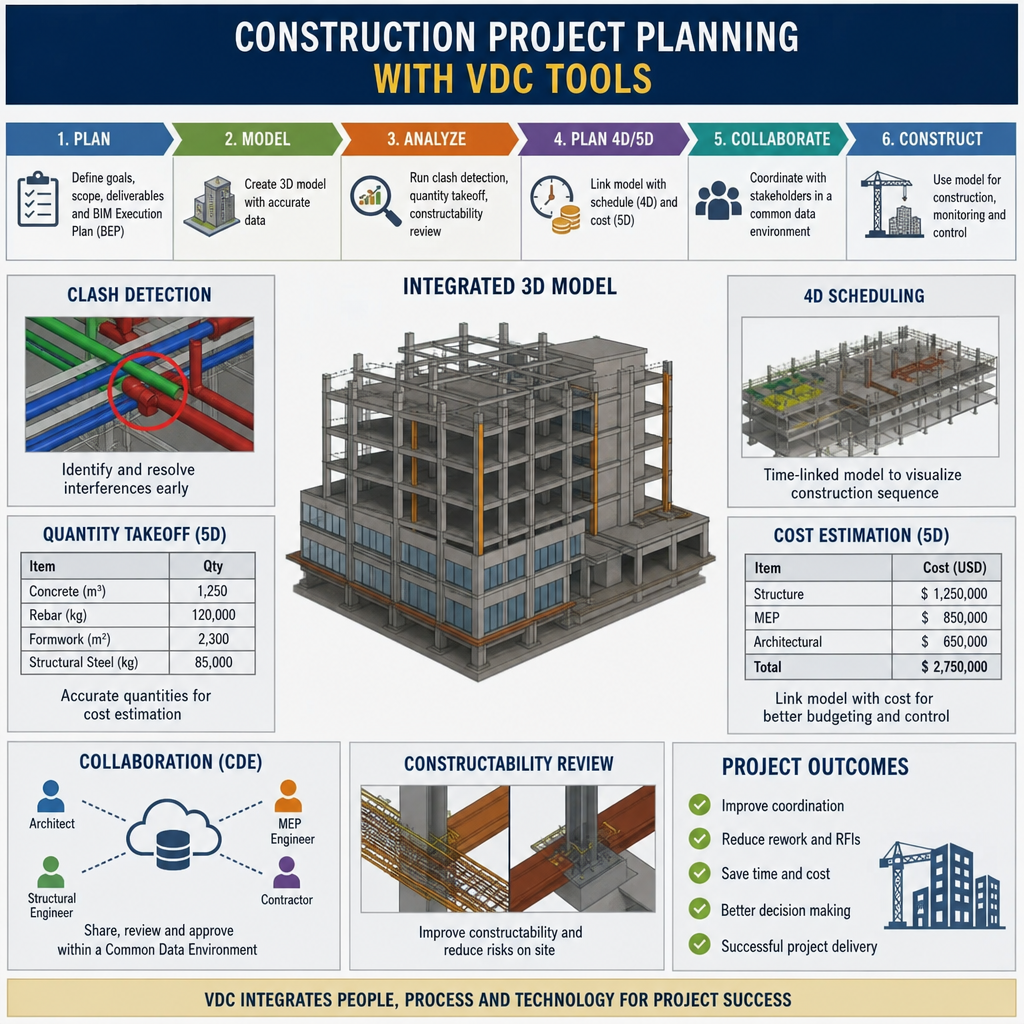
What Is VDC in Construction? Core Principles and Components
Virtual Design and Construction (VDC) transforms the way projects are handled. It uses advanced digital tools to enhance every stage of construction. This approach leads to better planning, execution, and management.
VDC integrates seamlessly with Building Information Modeling (BIM). Together, they provide a comprehensive project visualization. This collaboration is vital for complex construction environments.
At its core, VDC is about precision and collaboration. It utilizes 3D models to simulate real-world conditions before breaking ground. This foresight allows teams to anticipate challenges.
Several components define VDC:
- Digital models and simulations
- Real-time data and updates
- Cross-disciplinary collaboration tools
Each component plays a key role. Digital models provide clarity and insight. Real-time data ensures everyone is on the same page. Collaboration tools foster communication across teams.
Implementing VDC requires skilled professionals. They need a firm grasp of both digital technologies and traditional construction methods. This blend of skills ensures the effective use of VDC in modern projects.
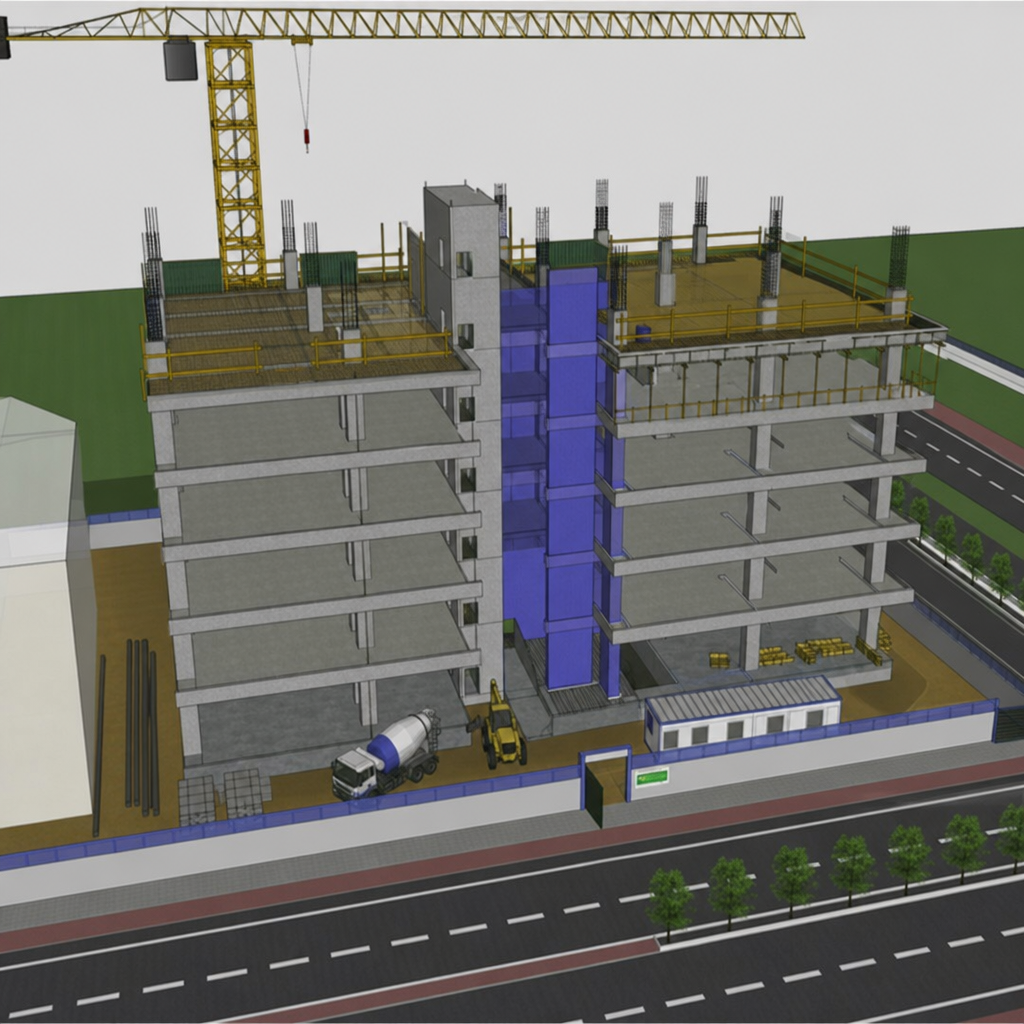
VDC vs. BIM: Understanding the Differences and Connections
Virtual Design and Construction (VDC) often gets compared to Building Information Modeling (BIM), but they serve different roles. BIM focuses primarily on creating detailed 3D models. These models contain information about all building components.
In contrast, VDC encompasses more than just modeling. It includes the planning and management aspects of construction projects as well. VDC brings a broader scope that incorporates digital models while emphasizing workflow integration and stakeholder collaboration.
Understanding their relationship is key for modern construction. While BIM provides the data and visual representation, VDC uses this information to streamline overall project workflows. This partnership enhances project coordination and efficiency.
Key distinctions between VDC and BIM include:
- BIM is mostly about 3D modeling
- VDC integrates project management with digital tools
- VDC focuses on coordinating teams and processes
These differences show how VDC extends the utility of BIM. By leveraging both, construction teams can reduce errors and improve outcomes. In doing so, projects are completed faster, with fewer setbacks.
How VDC Works: Workflow and Technologies
Virtual Design and Construction (VDC) relies on a specific workflow that integrates technologies to enhance construction projects. The process begins with digital models that represent the project's physical and functional aspects. These models form the foundation for all subsequent planning and execution steps.
Key technologies in VDC include Building Information Modeling (BIM), cloud-based platforms, and collaborative tools. BIM provides detailed 3D representations, while cloud platforms deliver real-time access and updates for all stakeholders. Collaborative tools facilitate effective communication between teams, aligning everyone with project goals.
The VDC workflow involves several stages, from design to construction. It uses simulations to predict outcomes and optimize processes. This proactive approach helps identify potential issues before physical work begins, reducing costly delays.
Notable steps in the VDC process include:
- Creating and analyzing digital models
- Conducting simulations for better insights
- Implementing real-time updates and modifications
VDC's strength lies in its ability to adapt to changes, ensuring projects stay on schedule and within budget. By continuously evolving with technology, VDC offers innovative solutions to complex construction challenges.
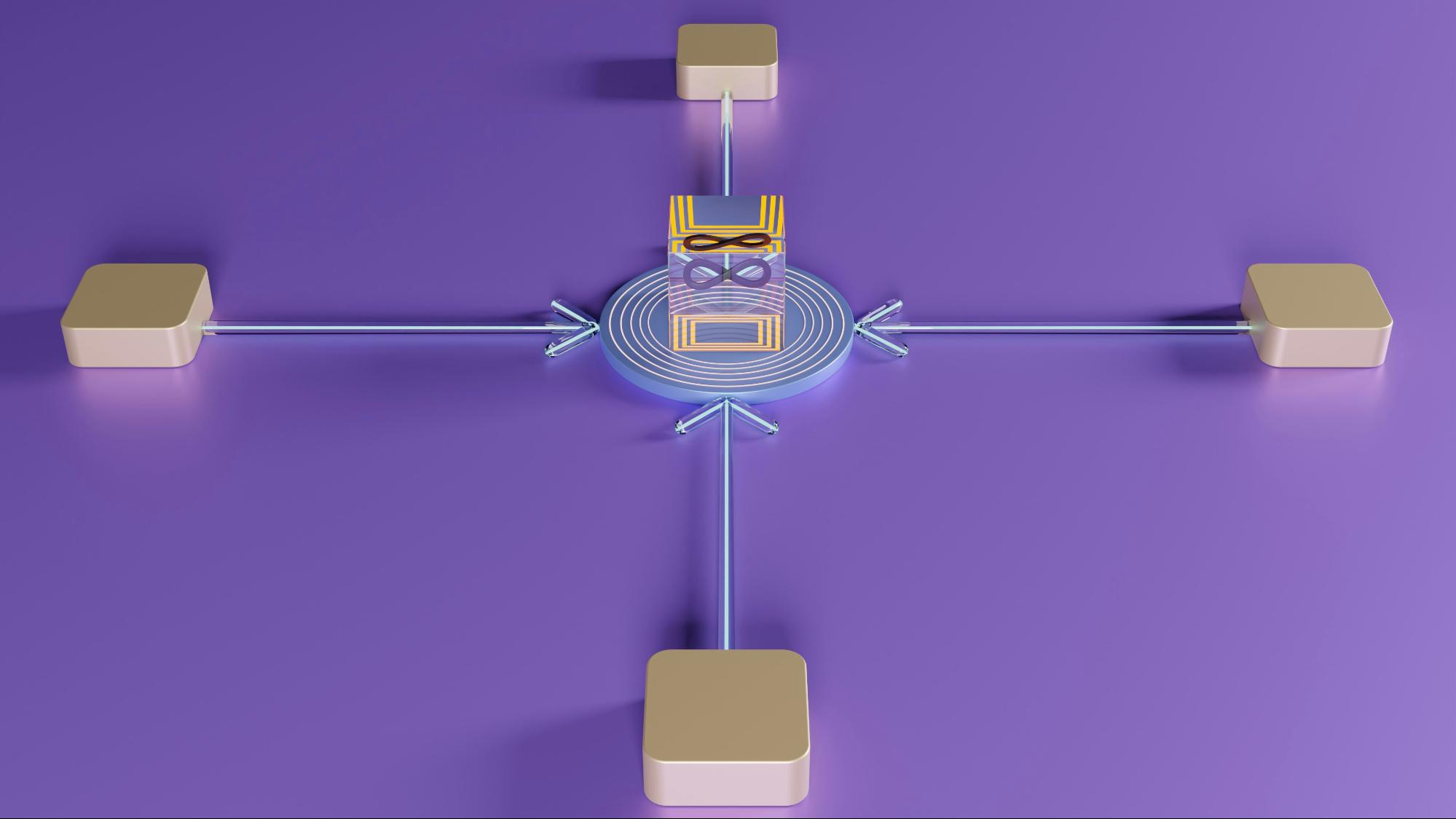
by Growtika (https://unsplash.com/@growtika)
Key Benefits of VDC in Construction Projects
Virtual Design and Construction (VDC) offers numerous advantages that are transforming how projects are managed. One significant benefit is increased project efficiency. VDC's digital models allow for precise planning, reducing the risk of errors that can cause delays.
Moreover, VDC enhances collaboration among project stakeholders. Using cloud-based tools, everyone from architects to engineers can access current data and communicate seamlessly. This collaboration ensures that all team members are on the same page, leading to more cohesive project execution.
VDC also plays a crucial role in cost management. By predicting potential issues and optimizing resources, VDC helps keep projects within budget. This proactive approach minimizes wastage and enhances financial outcomes.
Key benefits of VDC include:
- Increased project efficiency
- Enhanced stakeholder collaboration
- Improved cost management
Furthermore, VDC supports sustainable construction practices by optimizing resource use and reducing environmental impact. By integrating advanced technologies, VDC sets the stage for smarter and more resilient construction projects.
Challenges and Considerations When Implementing VDC
Implementing Virtual Design and Construction (VDC) in projects isn't without its challenges. One major hurdle is the initial investment in technology and training. Companies must invest in sophisticated software and ensure staff are adequately trained to use these tools efficiently.
Another consideration is the cultural shift required within organizations. The adoption of VDC demands a change in how teams work together. Encouraging a collaborative mindset and breaking down silos between departments is crucial for successful implementation.
Additionally, there may be resistance to change from personnel accustomed to traditional construction methods. Convincing stakeholders of the long-term benefits of VDC can take time and effort.
Key considerations include:
- Initial technology and training costs
- Cultural changes within the organization
- Overcoming resistance to new methods
Navigating these challenges requires strategic planning and commitment, but the benefits of VDC make it a valuable investment for future-ready construction.
Real-World Applications: VDC in Action
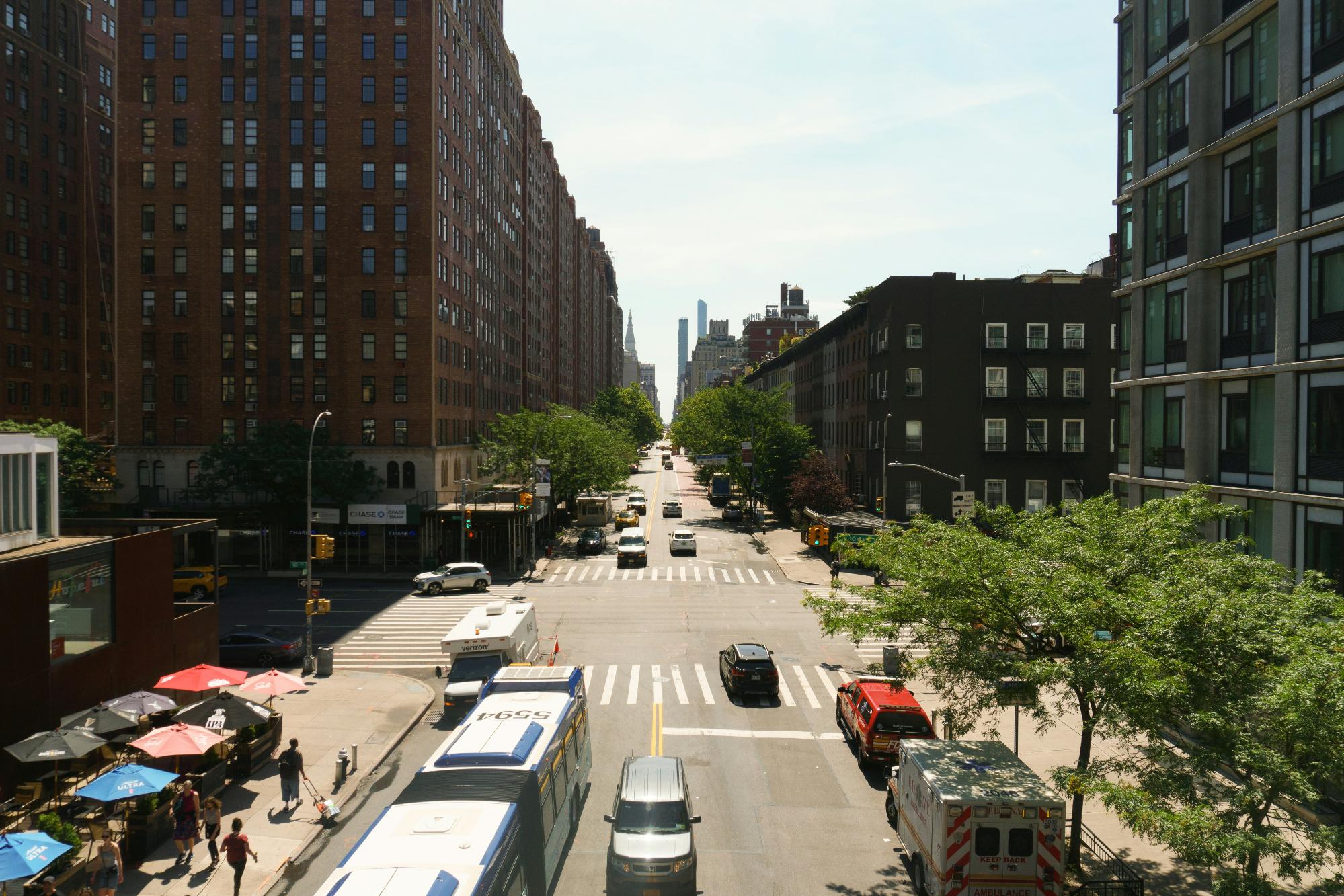
Virtual Design and Construction (VDC) is a game-changer in modern construction. It's widely used in complex projects where precision and collaboration are crucial. For instance, in large infrastructure projects, VDC aids in meticulously planning and coordinating various construction phases.
A notable example includes high-rise buildings, where detailed visualization prevents potential design conflicts. VDC allows teams to identify issues early, reducing costly corrections later. In urban developments, it assists in integrating new projects with existing infrastructures, enhancing efficiency.
Furthermore, VDC supports sustainable construction efforts. By optimizing resource usage, it lowers waste and energy consumption. Additionally, the ability to simulate construction scenarios helps in mitigating environmental impact.
Real-world applications of VDC include:
- Large infrastructure projects
- Urban development integration
- Sustainable and green construction initiatives
by André Eusébio (https://unsplash.com/@andreeusebio)
These practical uses of VDC showcase its potential to revolutionize the construction industry by enhancing efficiency and sustainability.
The Future of VDC: Trends and Innovations
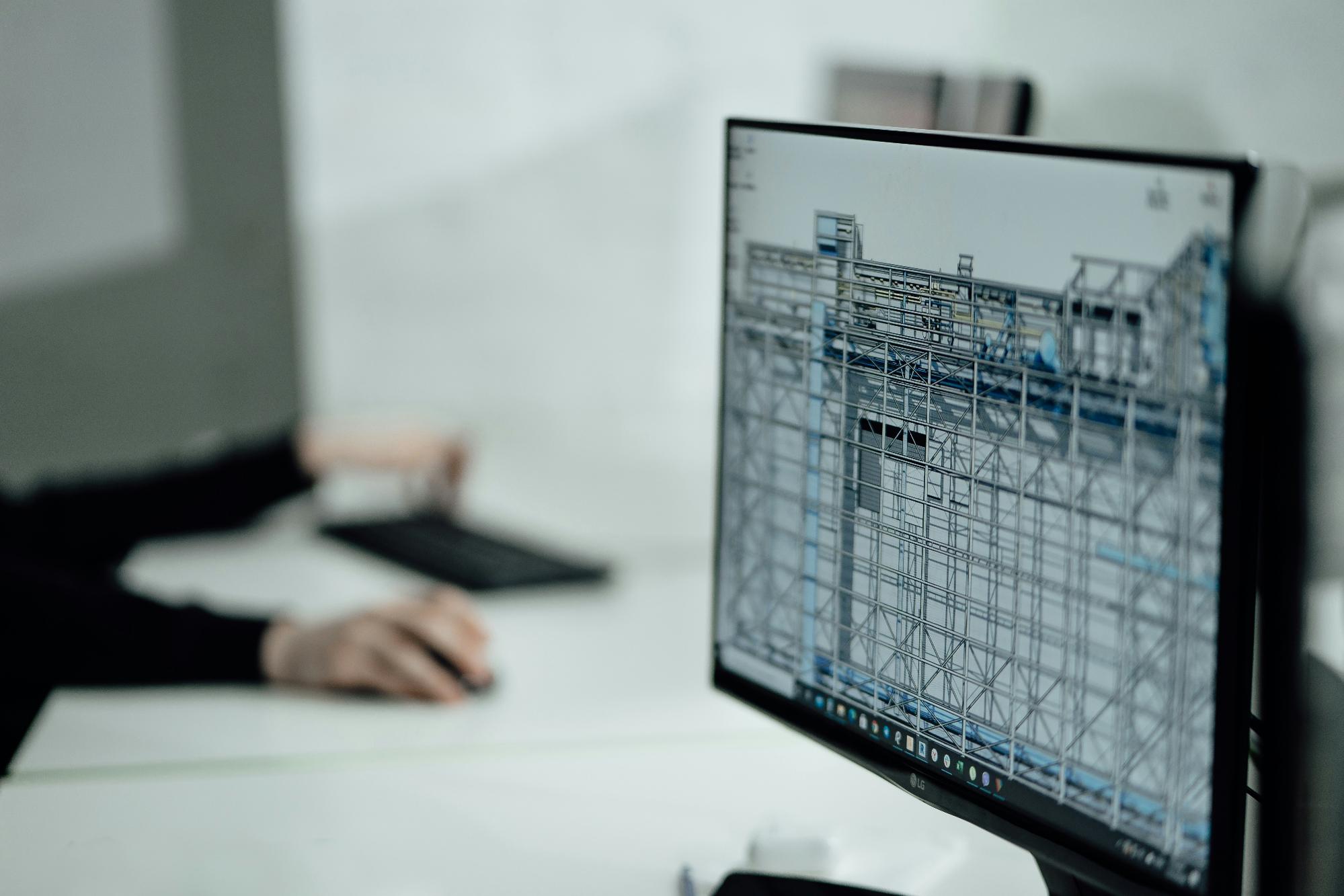
The future of Virtual Design and Construction (VDC) is full of promise. As the construction industry evolves, VDC will integrate with more advanced technologies. This integration enhances its efficiency and adaptability.
Emerging trends include the use of artificial intelligence to improve project simulations. Additionally, the integration of VDC with the Internet of Things (IoT) allows for more dynamic project monitoring. As technology advances, VDC will become more capable of handling complex construction scenarios.
Innovations to watch include:
- Enhanced AI-driven modeling tools
- Expanded IoT integration for real-time data
- Further developments in sustainable solutions
by Evgeniy Surzhan (https://unsplash.com/@followtherabbit)
These trends point towards a future where VDC not only streamlines processes but also pushes the boundaries of what's possible in construction.
Frequently Asked Questions About VDC and BIM
Understanding VDC and BIM can be challenging. Here, we address some common questions to provide clarity.
What is the main difference between VDC and BIM?
VDC encompasses a broader scope, focusing on the entire project lifecycle. BIM specifically concentrates on building information modeling.
How do VDC and BIM complement each other?
They work together to create a comprehensive digital model, enhancing project visualization and collaboration.
Are VDC and BIM only for large projects?
No, both can benefit projects of any size. Smaller projects gain from improved planning and reduced errors.
- VDC vs. BIM: VDC is broader, focusing on full project lifecycles.
- Collaboration: Both enhance visual communication and decision-making.
- Project size: Useful for projects of any size.
Conclusion: Why VDC Matters for Modern Construction
Virtual Design and Construction (VDC) is crucial in today's construction landscape. Its potential to enhance project efficiency and reduce costs make it indispensable. By integrating digital technologies, VDC brings unparalleled precision and innovation.
Moreover, VDC supports proactive project management and fosters collaboration among stakeholders. As construction demands evolve, VDC stands out as a strategic tool. It meets the industry's needs for sustainability, quality, and timely delivery. Embracing VDC prepares construction professionals for a future driven by digital transformation and efficiency.
Article written and edited by Justin Tyner, founder of Wyndstep. Justin has a master's in Geographic Information Systems from Penn State and is a licensed remote pilot and commercial pilot.