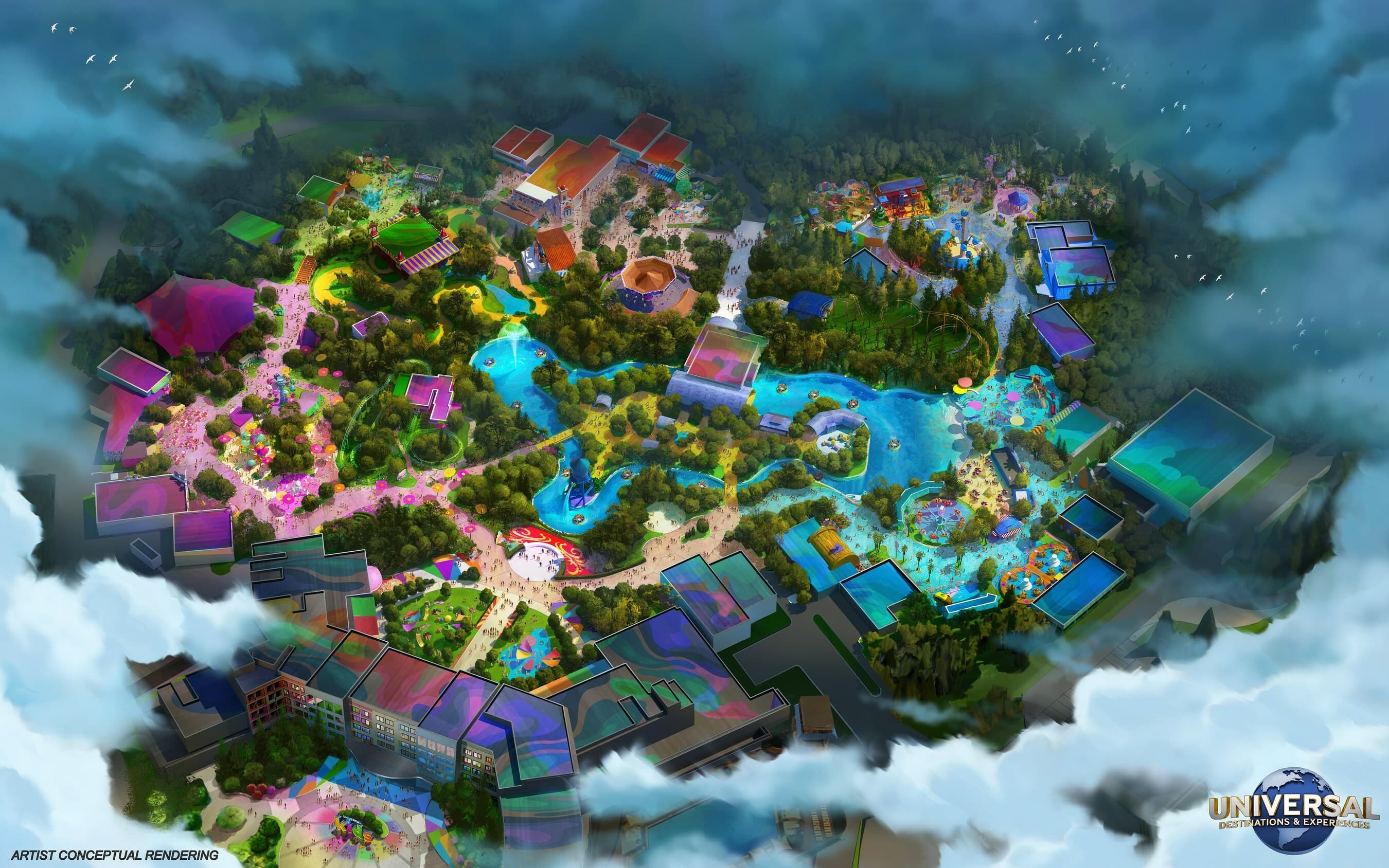
Universal Studios in Frisco: The Facts Behind the Deal and Its Economic Ripples
When Universal Destinations & Experiences announced plans for a 97-acre Universal Kids Resort in Frisco, Texas, it immediately raised questions about cost, timing, and the broader economic impact. Let's step through what has been agreed to and what we already know about its effects on the local economy.
The Construction Deal
First, the numbers. Universal pledged to invest at least $550M into the park, hotel, and infrastructure. In exchange, the City of Frisco approved a performance-based incentive package worth $12.7M. Keep in mind that these incentives are not paid upfront, rather they are contingent on Universal completing the project and opening by June 2026.
The city also negotiated for public benefits. Universal agreed to offer Frisco residents discounted tickets during off-peak times and to host an annual city employee event at the park *frantically checks out job openings on the City of Frisco Linked In page*. In addition, zoning was amended to accommodate the theme park on about 38 acres of the site, with the total resort taking 97 acres.
Jobs and Immediate Economic Activity
During construction, the project is creating roughly 2,500 jobs in North Texas, ranging from skilled trades to support services. Local contractors and suppliers are directly benefiting from the work and when the park opens "thousands" of permanent jobs will be created in hospitality, entertainment, and retail.
Frisco has also committed over $201 million in roadway improvements to handle anticipated traffic including a new six-lane "Universal Parkway" and widened Dallas North Tollway lanes. These infrastructure projects are already under construction (as the regulars of the DNT already know).
Anticipated Tax Revenues
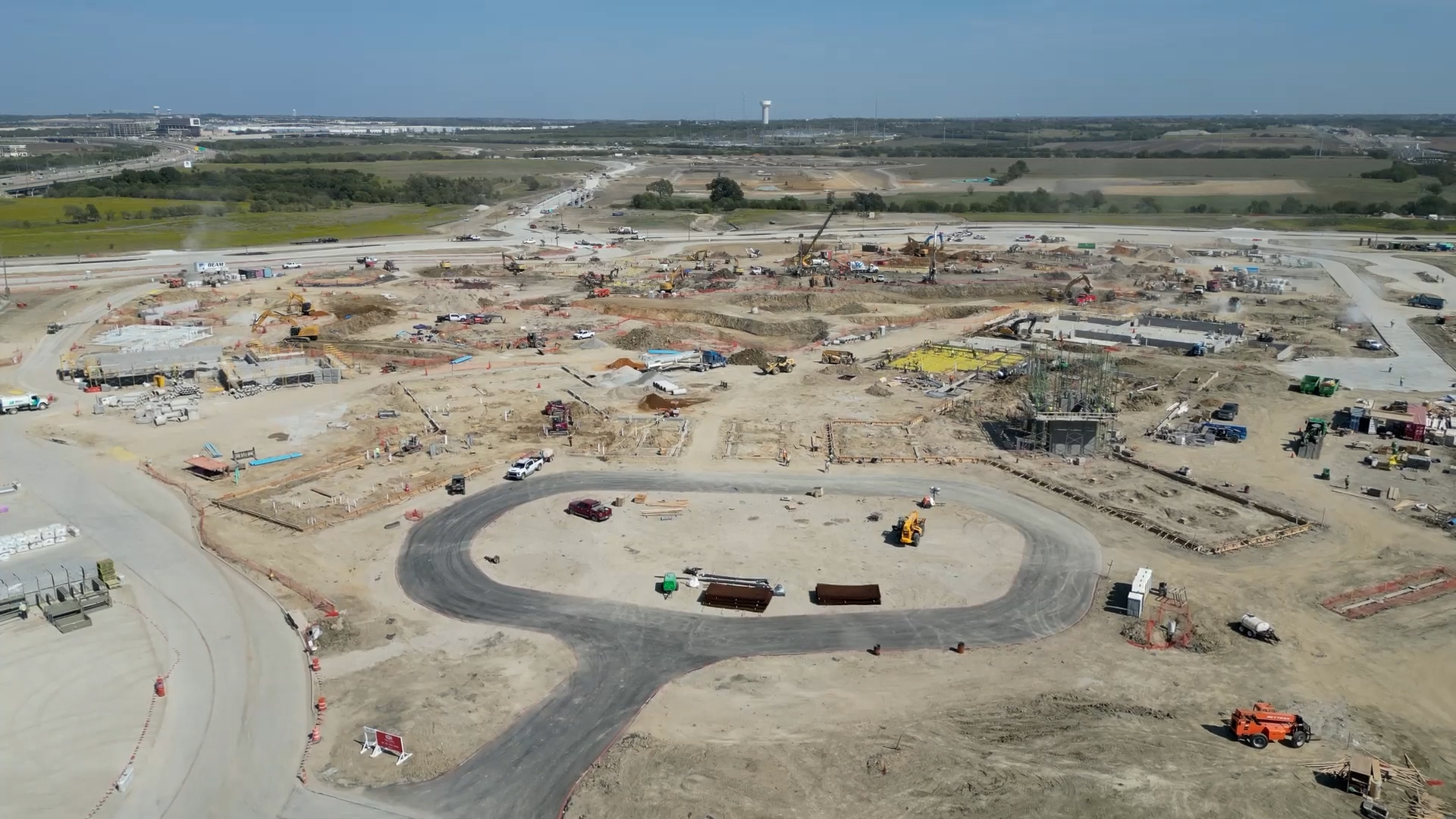
Photo credit: Texany
City staff project the park will generate about $3 million annually in new property and sales taxes, adding up to roughly $30 million in the first decade. Beyond direct revenues, the indirect economic impact from visitor spending, hotel stays, and retail sales is estimated at $1.5 billion over 10 years and expected to grow to $3.5 billion over the next 20 years.
Early Indirect Impacts on the Local Economy
Even though the gates won't open until 2026, the economic ripple effects are already visible. The park sits within the larger Fields development, which is seeing accelerated investment. Projects like Fields West, a $2-billion mixed-use district with offices, retail, and over 2,000 residences, are moving forward more quickly, buoyed by the park's presence.
Surrounding cities are also positioning themselves to capture spillover. Plano anticipates more hotel demand and visitor spending in Legacy West and Shops at Legacy. Little Elm is preparing for commercial growth along U.S. 380, tied to increased traffic and housing demand from park workers. And The Colony's Grandscape district will likely benefit from entertainment synergy as tourists will likely drop by to see all that North Texas has to offer.
Universal's Frisco project is a construction-driven economic engine. The city secured substantial private investment, tied its incentives to performance, and is already seeing indirect benefits in real estate, jobs, and regional growth. The cranes may still be up, but the impact is already underway. P.S. Anyone looking for an aerial map of the situation hit us up!